
In the 1970s, Eloi Dürrbach, then an architecture student at the Beaux-Arts, turned away from his plans and models to reconnect with the roughness of a material that spoke to him more than concrete: limestone. He planted the estate’s first vines in the wild nature of the northern slopes of the Alpilles.
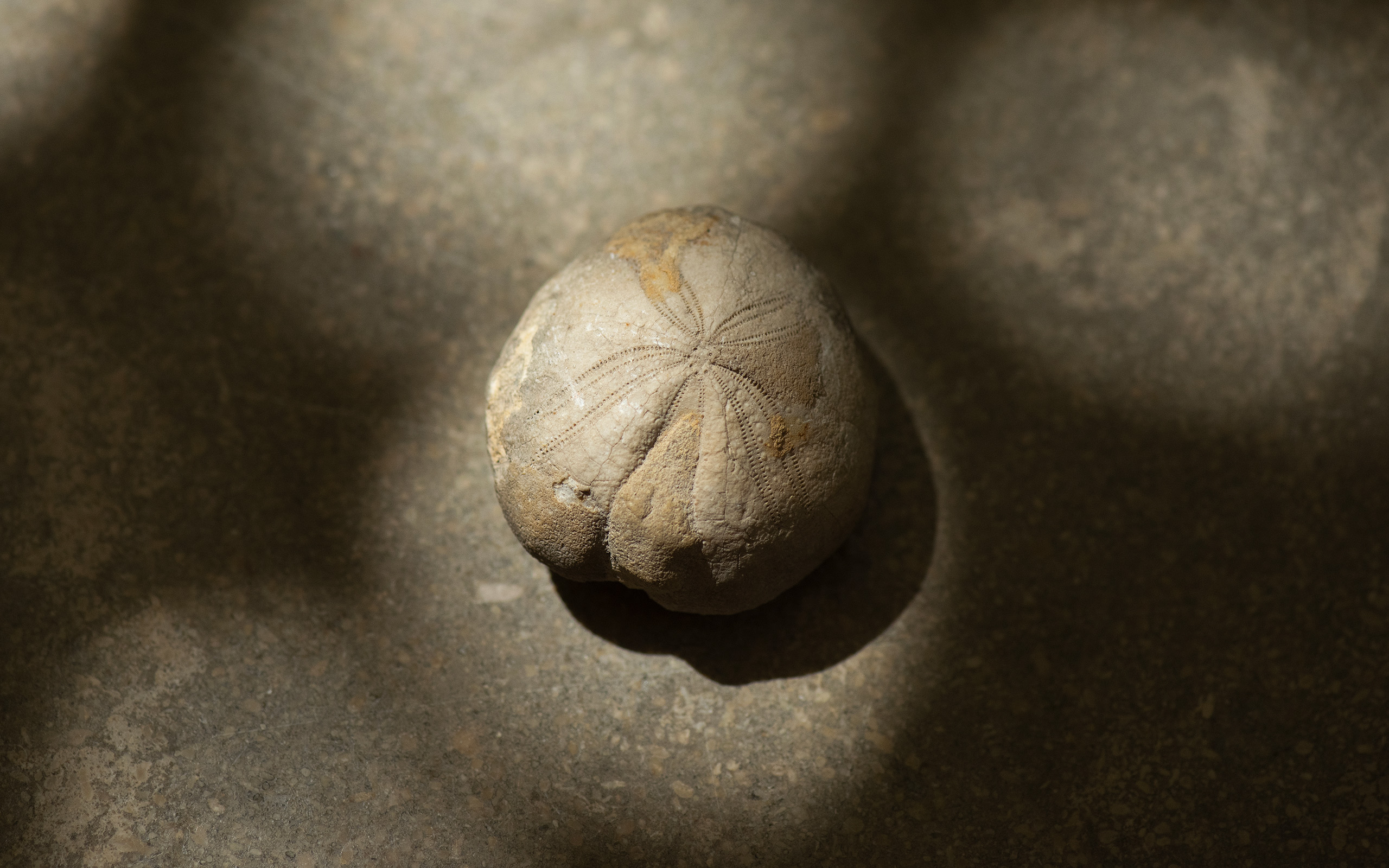
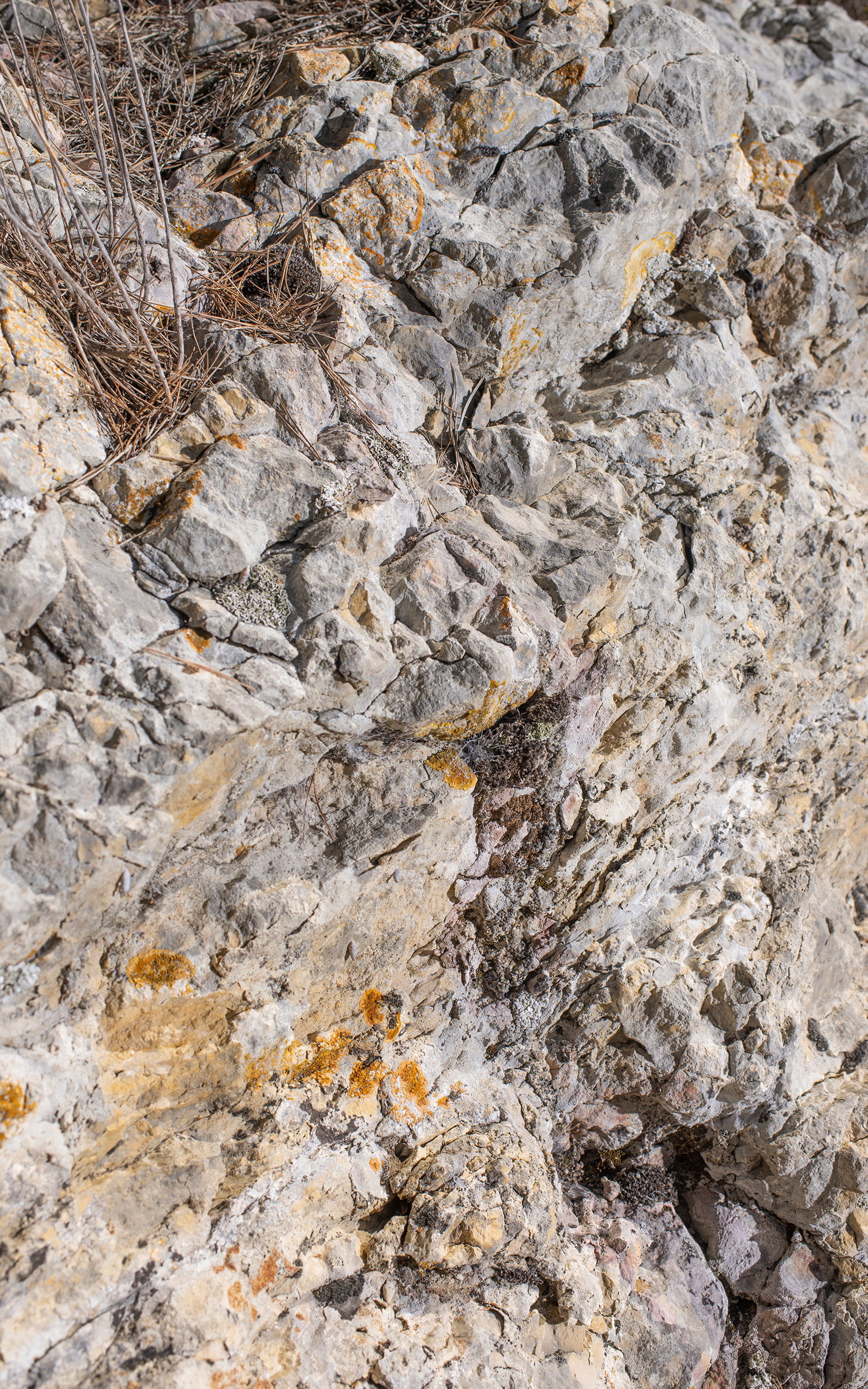
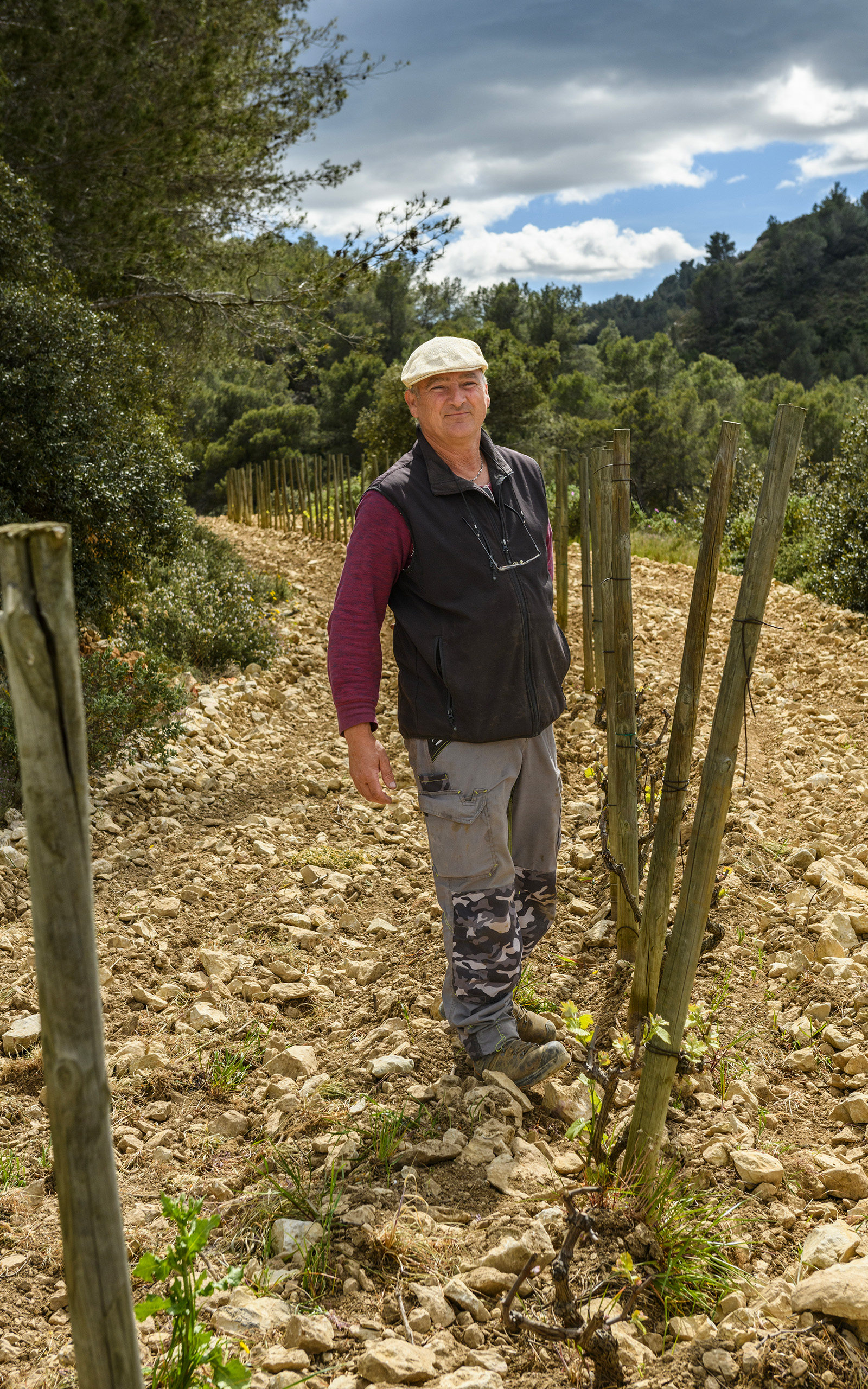
Trévallon stretches along three valleys, between pines and oaks, in the heart of the Alpilles Regional Natural Park. The rock surfaces everywhere; the soil is a marvel of ancient geology, carrying a deep memory.
The compact limestones of the Cretaceous era, mixed with clay, marl, sand, pebbles and cryoclastic scree from the glacial period, shape a complex, living soil perfectly suited to the vine.
The roots carve their way through the layers of time — and the wine, in turn, remembers.
Organic farming has always been practiced, more as an obvious truth than a deliberate choice.
The vines grow in the midst of a preserved ecosystem rich with bees, birds, insects, and wild grasses.
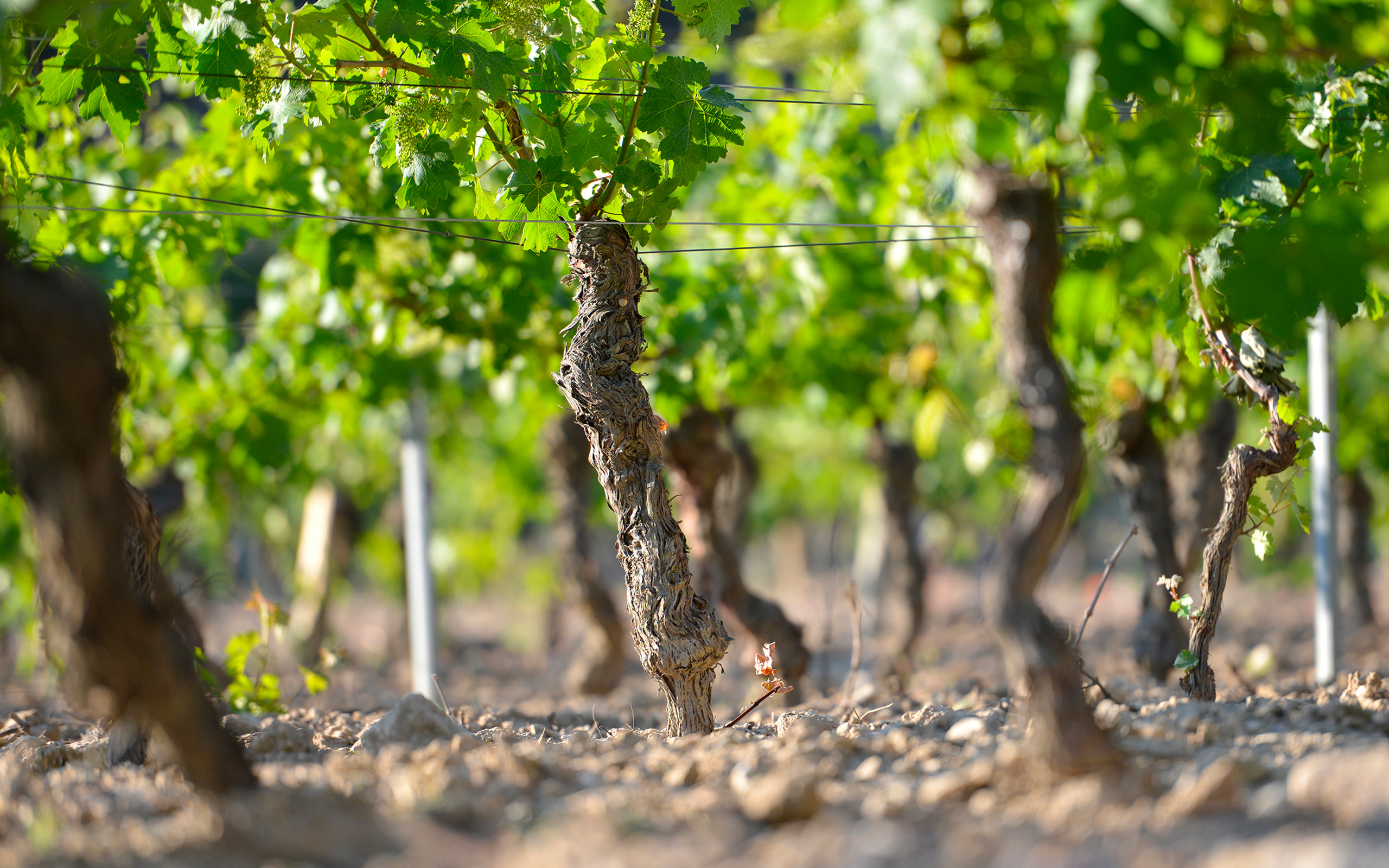
Today, around fifteen hectares of vines — all from massal selections — are cultivated across more than forty parcels, each surrounded by garrigue, pines, and olive trees.
Each vintage is a new adventure: the climate shifts, familiar markers fade. But the vine, that stubborn climbing plant, endures.
Project-Id-Version: PO-Revision-Date: 2025-12-23 18:33+0100 Last-Translator: Language-Team: Language: en_US MIME-Version: 1.0 Content-Type: text/plain; charset=UTF-8 Content-Transfer-Encoding: 8bit X-Generator: Poedit 3.8 X-Poedit-Basepath: ../../.. X-Poedit-SearchPath-0: .
We move forward, we observe, we evolve — and above all, we respect and protect this unique place that we cherish deeply.
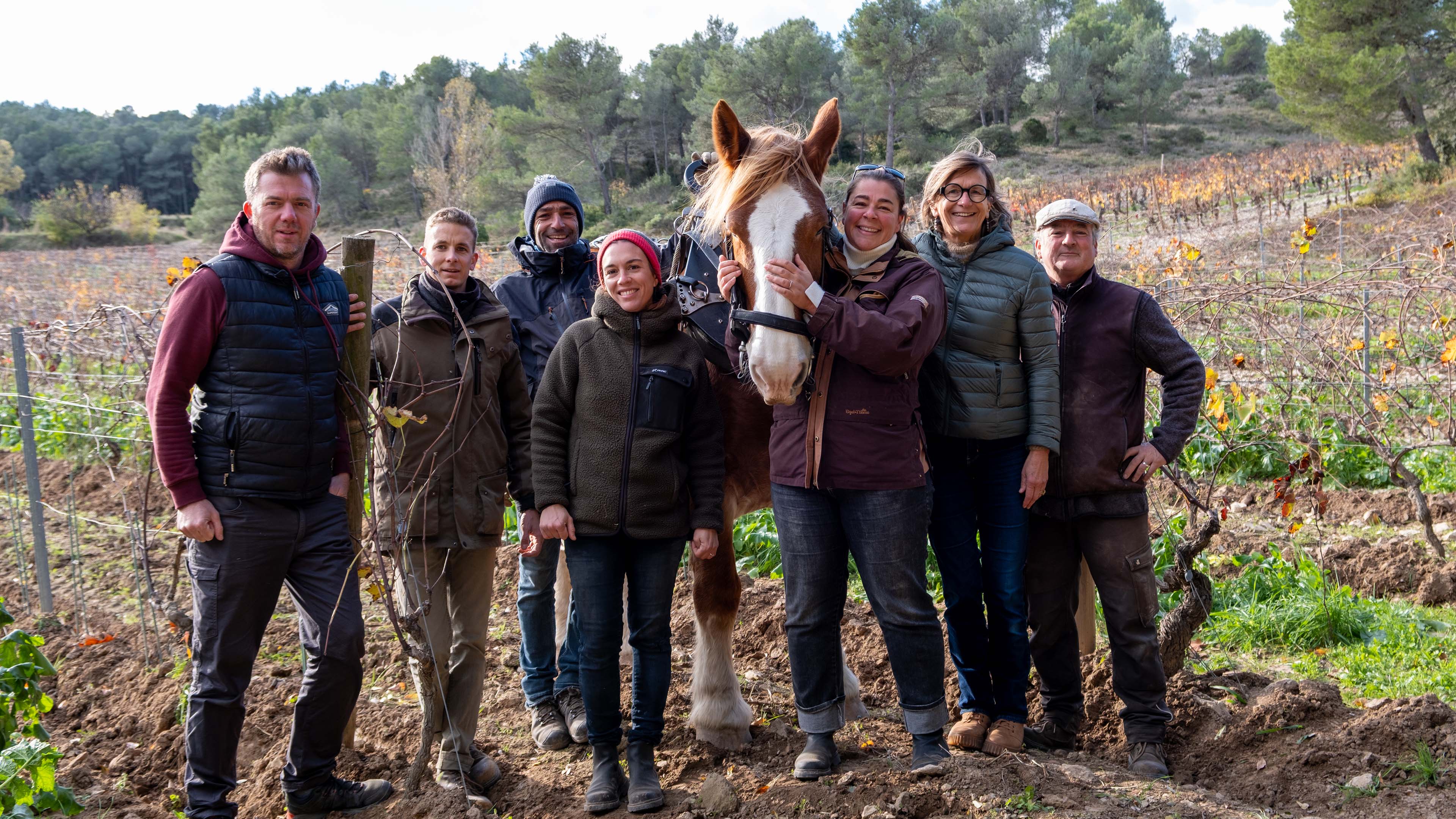
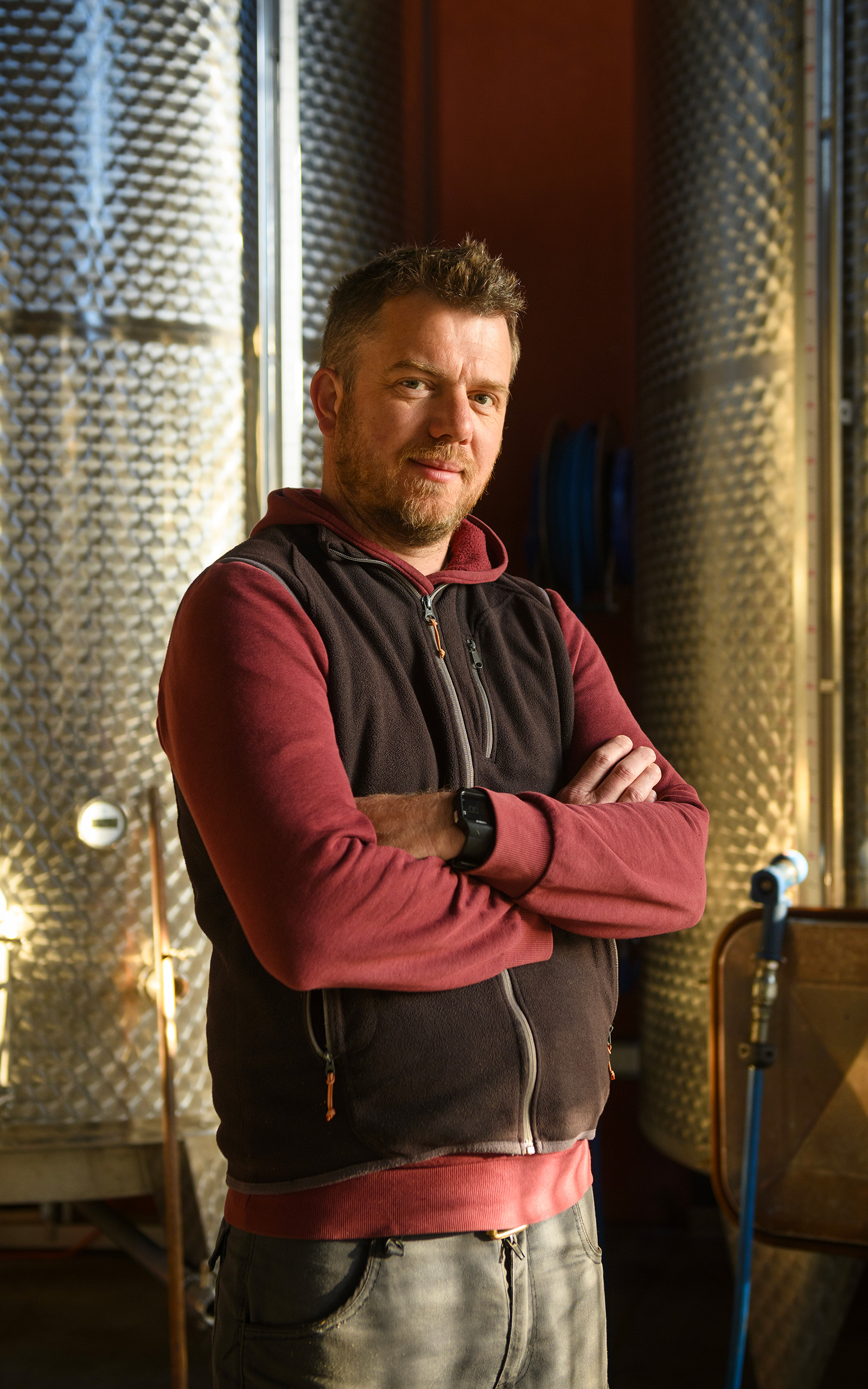
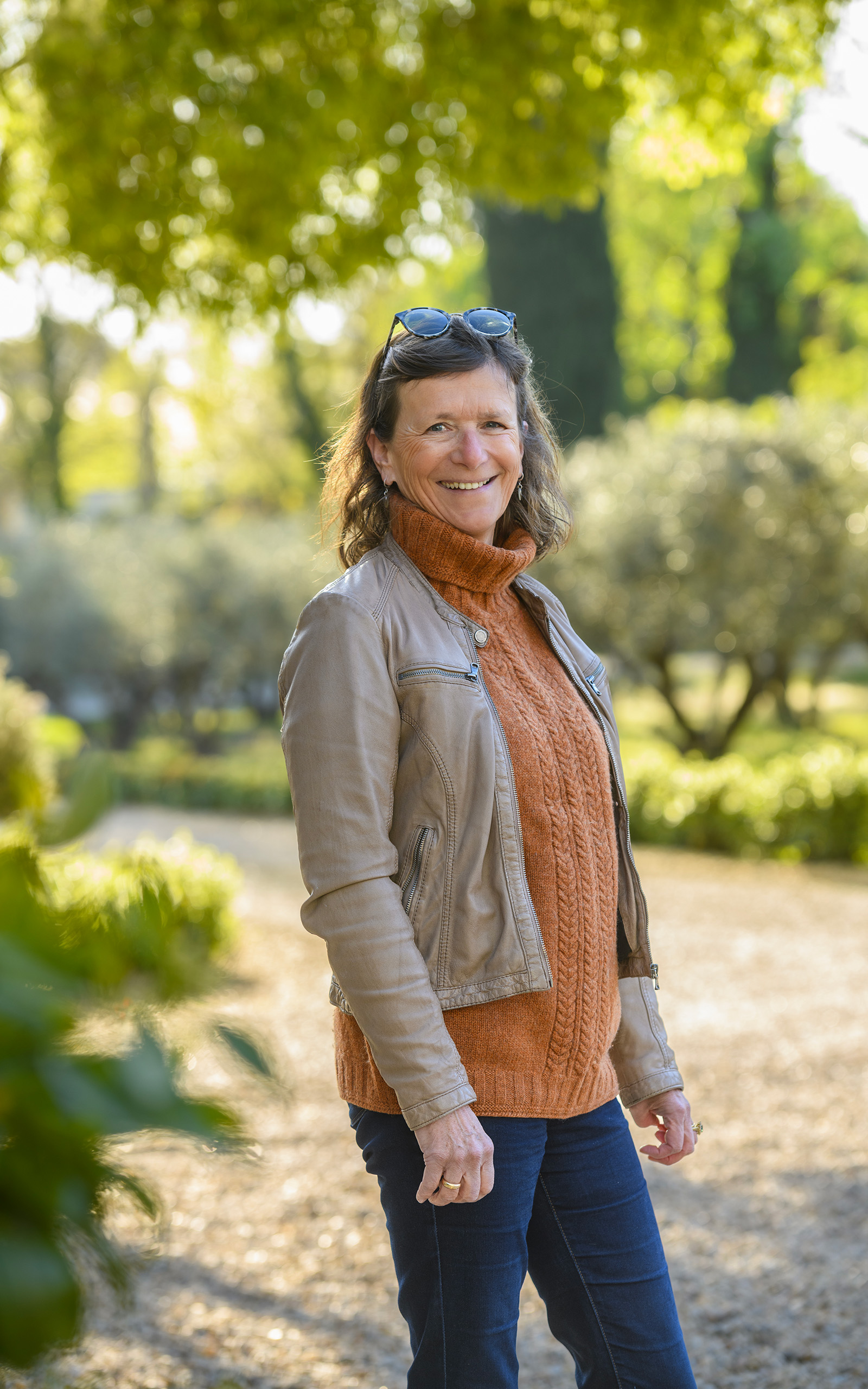
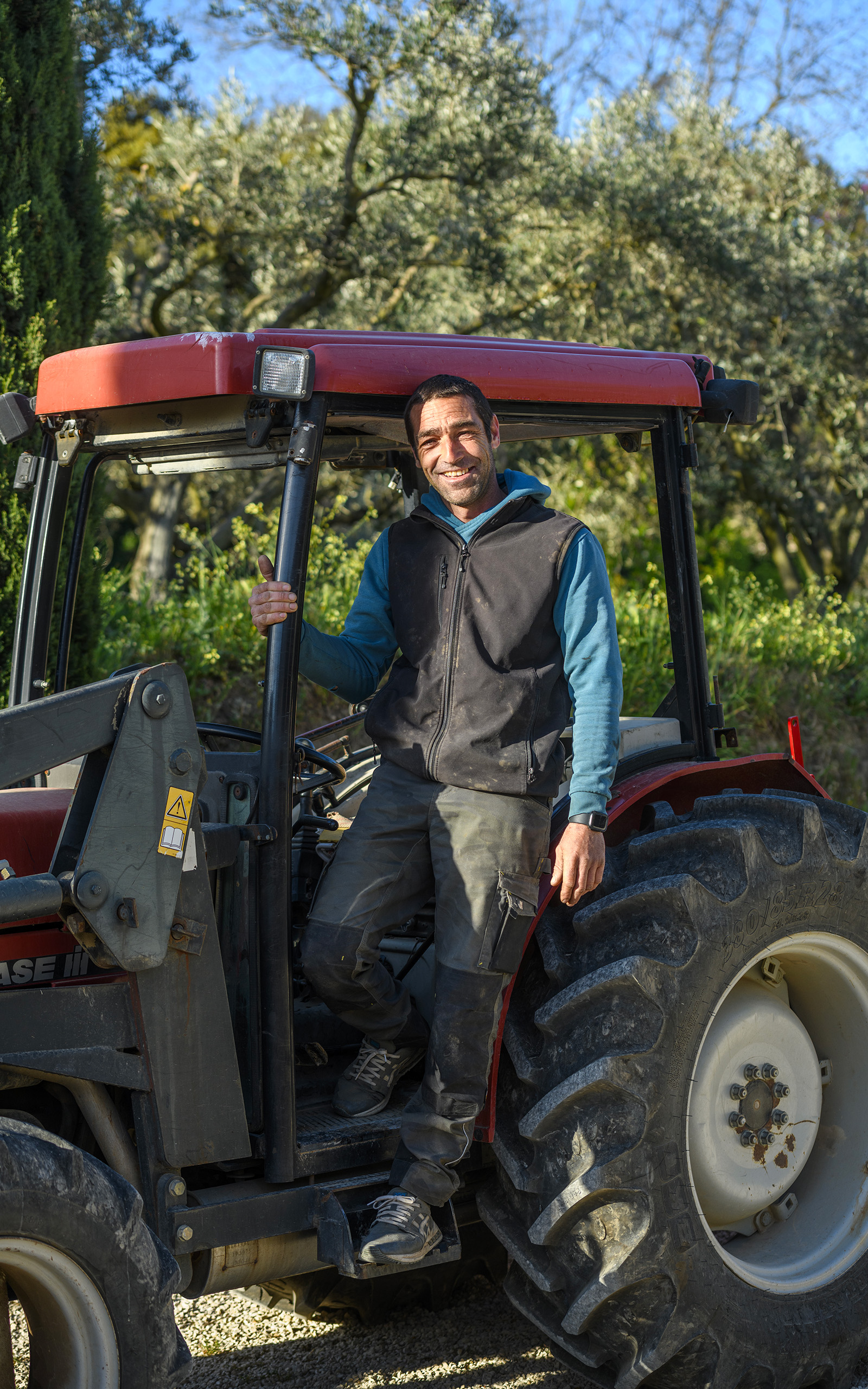
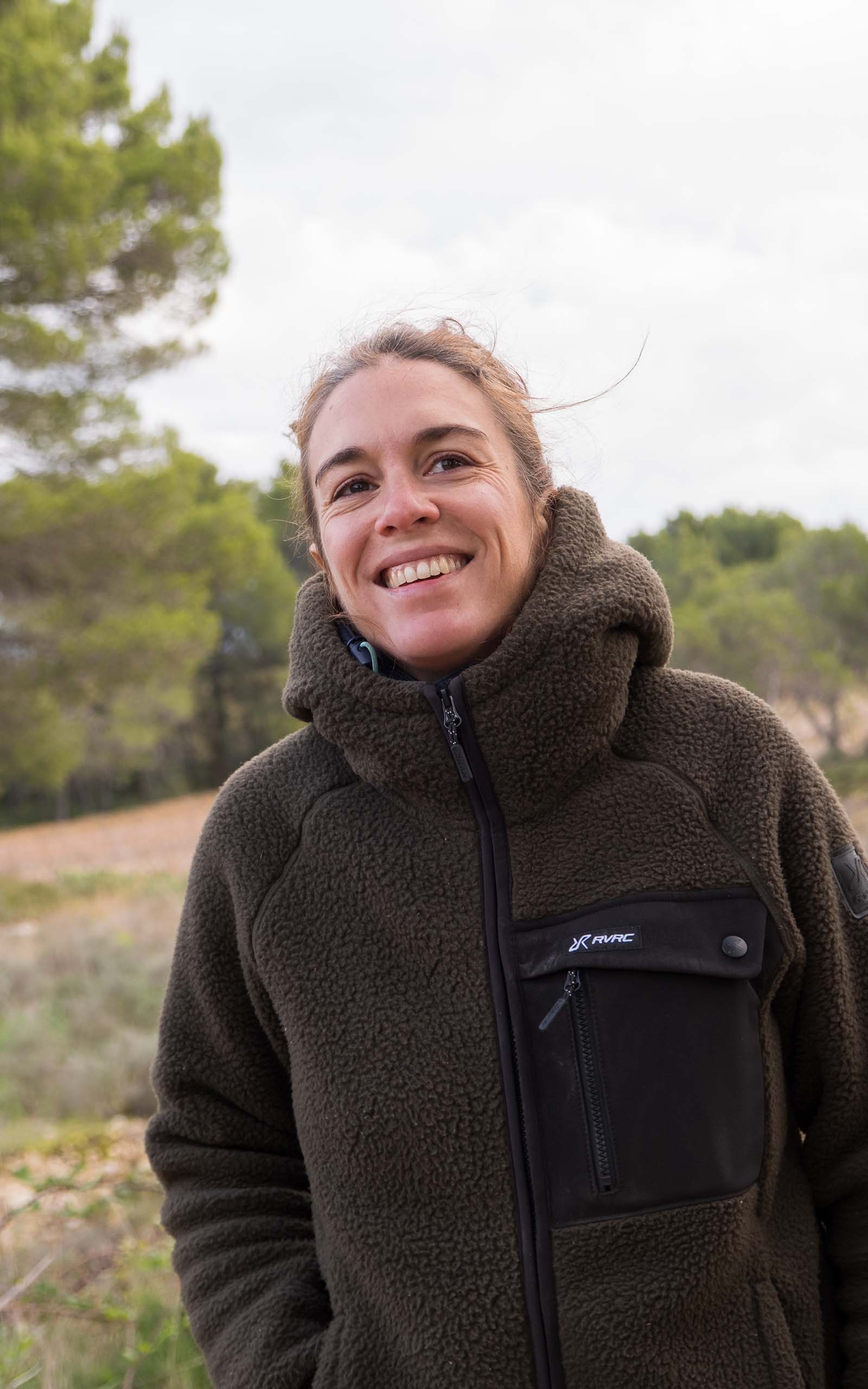
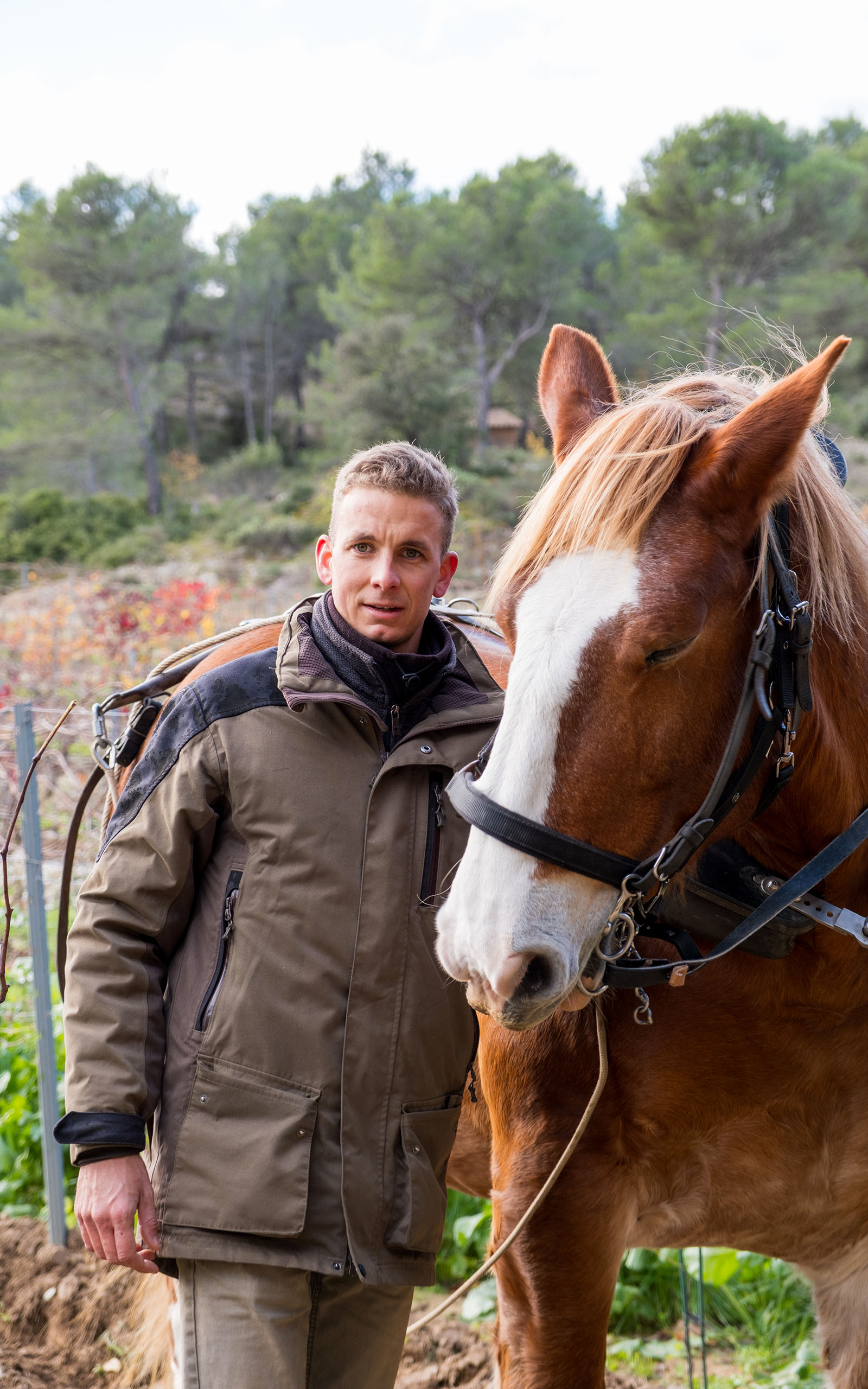
Beyond the terroir, there are the invisible but vibrant traces of those who loved this land before us: artists, farmers, family members, seasonal workers, and long-time loyal employees.
Their mark is on every vine, every row, every bottle.
The red
→